
Eye training, eye exercises, eye yoga—what exactly are the differences?
Eye training, eye exercises, eye yoga—what exactly are the differences?
In a world increasingly dominated by screens and artificial light, the topic of eye health is becoming more and more important.
Many people are looking for ways to improve or maintain their vision. In this context, eye training, eye exercises, and eye yoga are terms that are frequently used but often misunderstood.
Below, we’ll show how the visual habits of indigenous peoples have changed compared to those of our modern society and take a look at the differences between these training approaches.
Indigenous peoples often live in environments rich in natural light sources, where visual perception is challenged by diverse, ever-changing landscapes. Their eyes are accustomed to focusing at various distances and under different lighting conditions, which naturally strengthens the eye muscles.
As a result, their peripheral vision is also more acute. This type of vision allows them to perceive what is happening to the sides of their eyes. Especially in dangerous situations, peripheral vision is vital for survival in the wild.
Indigenous peoples have better eyesight because they use their visual system holistically—just as it is actually intended for us humans.

Why do indigenous peoples have better eyesight?
For example, indigenous peoples, such as the indigenous peoples of the Amazon, rarely suffer from vision problems, whereas in modern industrialized nations, more and more people need glasses.
In developed countries, one-third of the population is now nearsighted. In some Asian countries, more than 90% of people are affected.
Among indigenous peoples, however, the incidence of myopia is strikingly low, at around 10%.
Several studies point to a correlation between nearsightedness and close-up activities.
Unlike indigenous peoples, many people in so-called modern society spend a large part of their day indoors, in front of screens, and under artificial lighting. This lifestyle can lead to eye strain and increase the risk of vision problems, particularly nearsightedness.
Since we rarely use our peripheral vision, this ability deteriorates. Many of us are completely unaware of what our eyes are capable of.
The need to regularly incorporate eye training, eye exercises or eye yoga into our daily lives is therefore becoming increasingly important. It offers a good alternative to wearing glasses and other corrective aids, since these neither improve vision nor address the underlying cause of poor vision.
So what are the differences?

EYE TRAINING
Eye training refers to a variety of exercises and techniques designed to improve eyesight and strengthen the eye muscles. These exercises also include eye relaxation. The goal is to increase the flexibility and endurance of the eyes, which is particularly important in an age when many people spend hours staring at screens.
Not all vision training programs are the same. Our platform is designed as a more holistic training program that incorporates all aspects of vision; it can be described as a combination of physical therapy for the visual system, brain training, and other effective techniques.
Our online vision training program offers exercises for the following vision problems:
myopia
presbyopia
astigmatism
problems with eye coordination.
EYE EXERCISES
Eye exercises are a specific component of eye training and involves targeted exercises designed to stretch and relax the eye muscles. These exercises can help relieve tension and improve blood circulation to the eyes. Eye exercises are often recommended to alleviate the symptoms of digital eye strain, which is widespread in modern society.
EYE YOGA
Eye yoga, on the other hand, is also a holistic approach that incorporates elements from yoga practice. It involves not only physical exercises but also breathing techniques and meditation, which aim to calm the mind and strengthen the connection between body and mind. Eye yoga promotes not only eye health but also overall well-being and relaxation.
Nevertheless, this form is rarely offered. Often, eye exercises are simply referred to as eye yoga.
So how can I improve my eyesight?
In summary, eye training, eye erxercises and eye yoga represent different approaches to promoting eye health.
When choosing a method, we recommend opting for a holistic approach, as the visual system is complex and vision primarily takes place in the brain. Given the changes in our visual habits caused by modern lifestyles, it is crucial to integrate these practices into our daily lives to maintain and promote the health of our eyes. By learning from the natural visual habits of indigenous peoples, we may be able to find ways to improve our own vision and reduce the strain caused by frequent screen use.
EYE EXERCISE – Following Path
Want to give your eyes a little treat right now?
Then download the following worksheet with a single click, print it out, and follow our instructions:
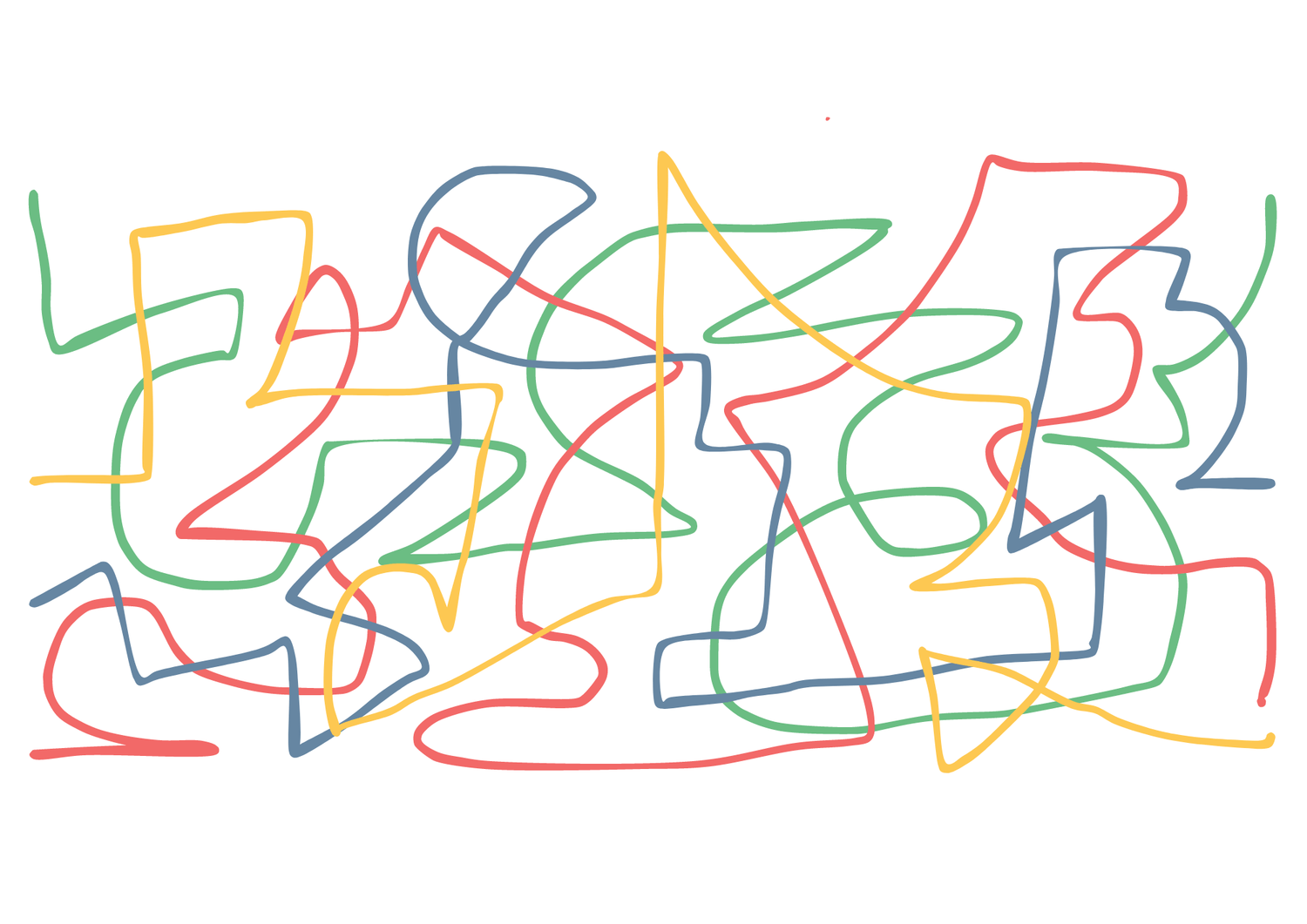
Here’s how to do the exercise:
Hold the sheet of paper at reading distance from your eyes. Cover one eye with your hand and, without moving your head, follow one of the lines from one end to the other with your other eye.
Repeat this with each color.
Close your eyes for 10 seconds, then switch eyes.

INFORMATION
93% of our members recommend us!


*The rate of success from vision training is different from individual to individual and is not guaranteed.